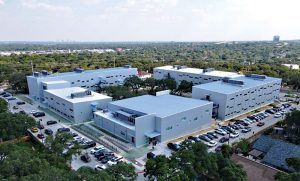
McElroy Metal Acquires Fabral
McElroy Metal has acquired Fabral, expanding its portfolio of metal roofing and wall panel solutions. Learn what this acquisition means for customers...
3 min read

Metal roofing for homes offers a number of benefits—from sleek style to tremendous durability. But for some homeowners and building pros, a number of myths persist that might make you hesitant to consider choosing a metal roof.
Here’s a look at the most common misconceptions about residential metal roofing—and why it’s a material suitable for most homes.
Myth #1: Metal Roofing Will Look Rusty and Old
For some, the idea of “metal roofing” conjures images of 100-year-old rusty barns. But the cheap metal roofing once used solely to keep rain off of cows is a far cry from what is specified for single-family homes today. Metal roofing panels for residential use have special coatings to protect them and are typically painted; as long as they are maintained properly, rust is normally not an issue. In other words, unless you’re intentionally going for a vintage farm style, there’s no need to worry.
In addition, roof panels are available in both steel and aluminum. For more corrosive environments, such as coastal regions, aluminum offers a more robust option to further preserve the just-new look.
Myth #2: Metal Roofing Is Prone to Hail Damage
If you’ve ever dinged your car door, you might think that a metal roof will easily dent in a hailstorm. Sure, metal can dent, but it takes a substantial hailstorm to cause massive damage. In fact, if the storm is bad enough to dent metal roofs, it’s likely doing damage to asphalt shingles, as well. And when a strong enough storm occurs, metal may dent but remain intact, while shingles may crack and leak. In fact, some insurance companies actually give discounts for metal roofing.
Myth #3: Metal Roofing Is Not Durable in Storms
When you pick up a metal panel in the store, it’s pretty lightweight and might even be flexible. But once it’s installed properly, as part of a roofing system, metal roofing is highly durable and wind-resistant. After hurricanes, it’s usually the metal roofs that have performed best. A metal roof’s wind rating is determined by the type of panel specified and how it’s installed.
Metal roofs are also a go-to option for areas prone to wildfires. Because the material is noncombustible, a wayward ember may leave a mark, but the metal panel won’t catch fire.
Myth #4: Metal Roofs Attract Lightning
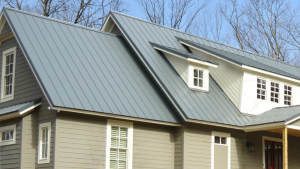
This is one of the most common misconceptions about metal roofing. But a home with a metal roof isn’t more likely to attract lightning. Lightning is attracted to the highest point in the vicinity, so it’s just as likely to strike the tree next to your house or your chimney. And if the roof is struck by lightning, the metal will dissipate the lightning, while lightning hitting a shingle may start a fire.
Myth #5: Metal Roofs Are Noisy
Pelting rain on metal certainly creates sound—but keep in mind that the roof is not laid bare in the home. There is a ceiling, insulation, attic space, and roof decking between the metal and the building occupants. With that assembly, metal roofs aren’t likely to be any louder than shingles in a heavy rainstorm. Today’s metal roofs are not the same as the tin roofs of old—in performance, appearance, or sound.
Myth #6: Metal Roofs Get Hot
Anyone who slid down a metal slide as a child knows the heat that shiny metal can give off. But metal roofs are different: They are painted, and most paint systems are designed to be reflective and direct the sun’s heat away. Even dark metal roofs have reflective pigments that redirect infrared energy to keep the panels cool.
Myth #7: Metal Roofs Are Too Industrial
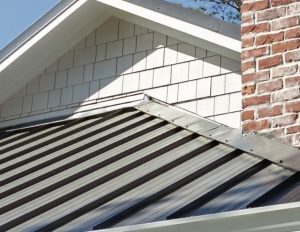
If you’re used to seeing metal roofs on commercial buildings, it may be hard to visualize how they’ll look on a home. But metal roofing’s versatility, with profiles ranging from sleek-and-modern standing seam to traditional ribbed, makes it an eye-catching option for a range of home styles. What’s more, metal roofing comes in a broader range of color options—from white and almond to emerald green to royal blue—compared to the grays, browns, and other neutrals common with asphalt shingles.
Myth #8: Metal Roofs Are Too Expensive
This myth is actually slightly true—metal roofs have a pricier first cost than most shingle roofs. But it’s critical to look long term: Fabral’s metal roofs are designed to last a minimum of 30 to 50 years and carry a 30-year warranty on the paint alone. A shingle roof, while cheaper upfront to buy and install, only lasts 15 to 20 years. You may need three shingle roofs to match the life span of a metal roof.
Year after year, metal roofing has proven to be a versatile, durable option for homes around the U.S. Learn more about Fabral’s product lineup for residential use here.
McElroy Metal has acquired Fabral, expanding its portfolio of metal roofing and wall panel solutions. Learn what this acquisition means for customers...
Metal buildings have come a long way from their warehouse roots. Today’s systems offer sleek, sophisticated solutions for everything from medical...
Fabral gives your time back with the launch of their new Online Order Fulfillment software ROOF. Ordering with Fabral has never been easier.
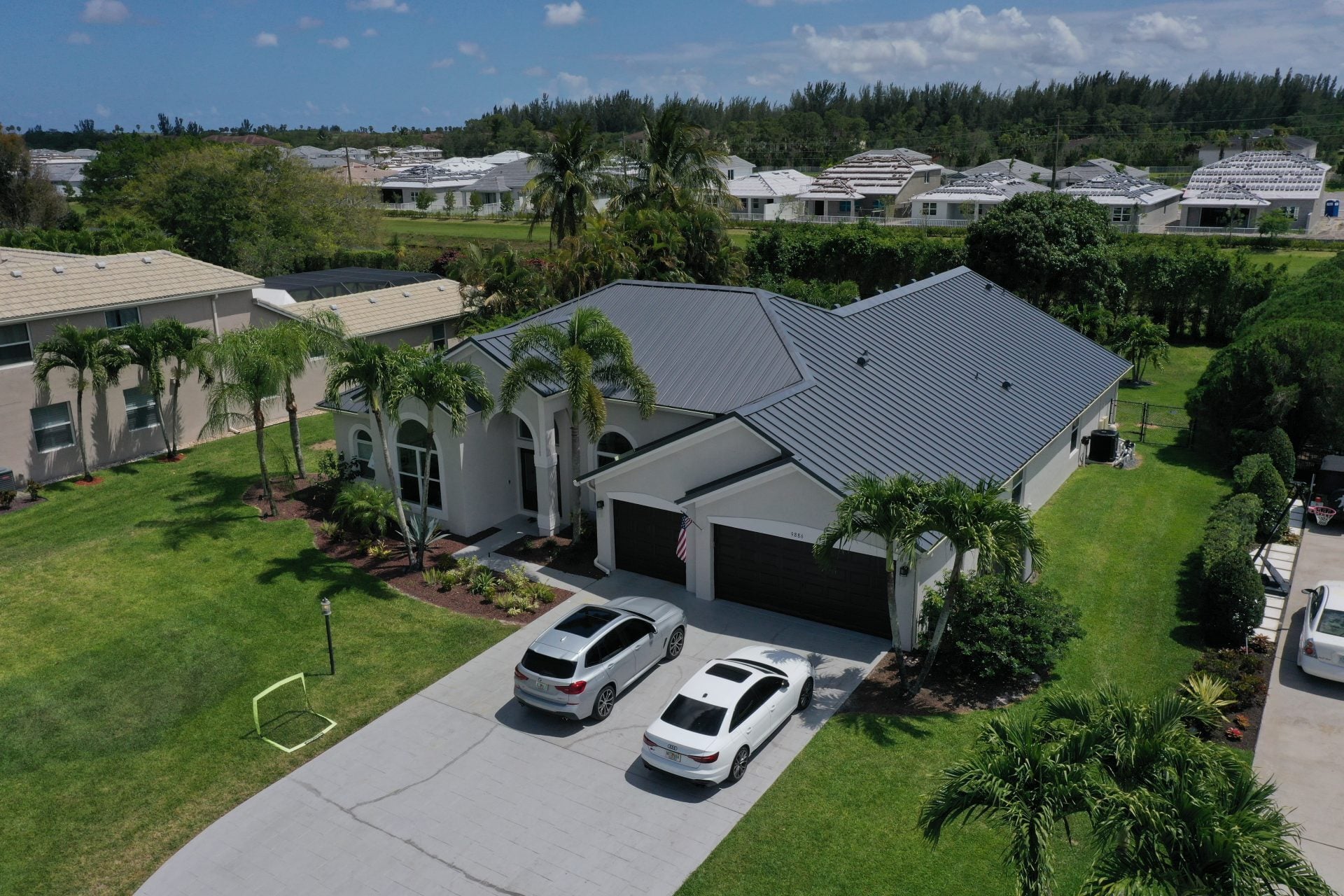
Metal is one of the most durable roofing materials – and it's growing in popularity, especially among homeowners. A recently completed project in...
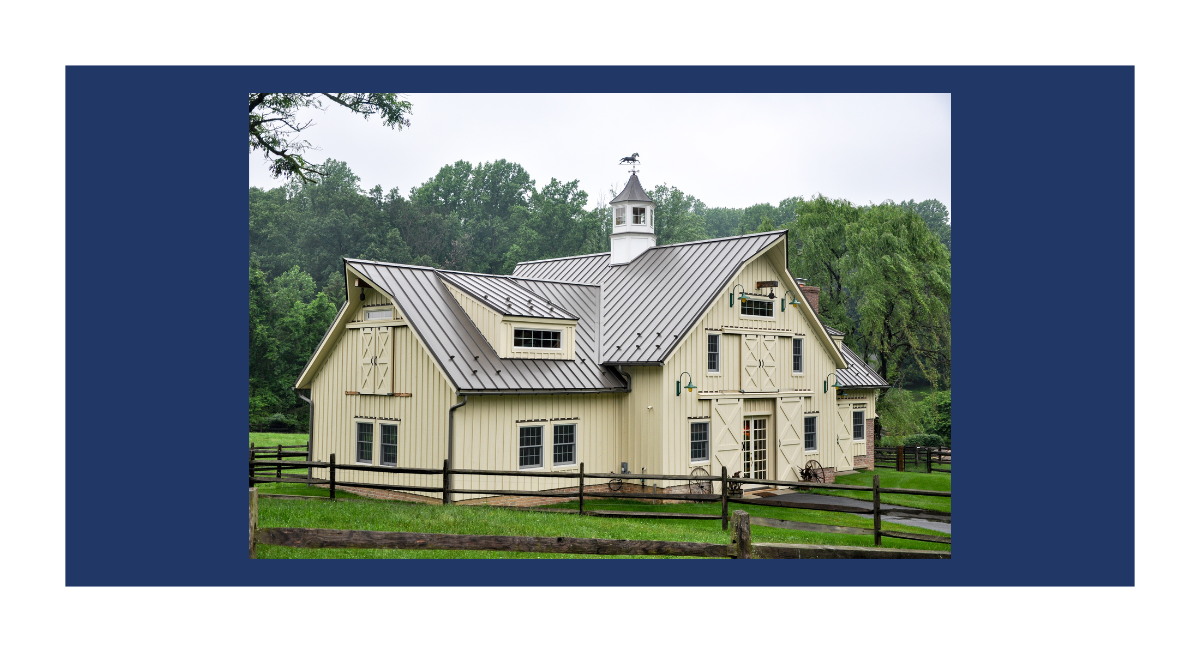
The growing popularity of standing seam metal roofing has both residential and commercial appeal due to its trendy and modern look, and long-lasting...
FRSA proudly hosts the largest regional roofing show in the country. Join us at Booth #1610 this June and learn more about Fabral’s products and...